

Every business leader eventually faces the same moment: the point where the headlines turn uncertain, the markets grow cautious, and the instinct across organisations is to pause and ask the same question — what now?
We are living through one of those moments in the Middle East today. Geopolitical tension dominates the news cycle, speculation travels faster than facts, and businesses naturally begin assessing the potential impact on operations, investment and confidence.
Yet if you step away from the noise and look at what is actually happening across the region — particularly here in the UAE — something quietly reassuring becomes visible.
Business continues.
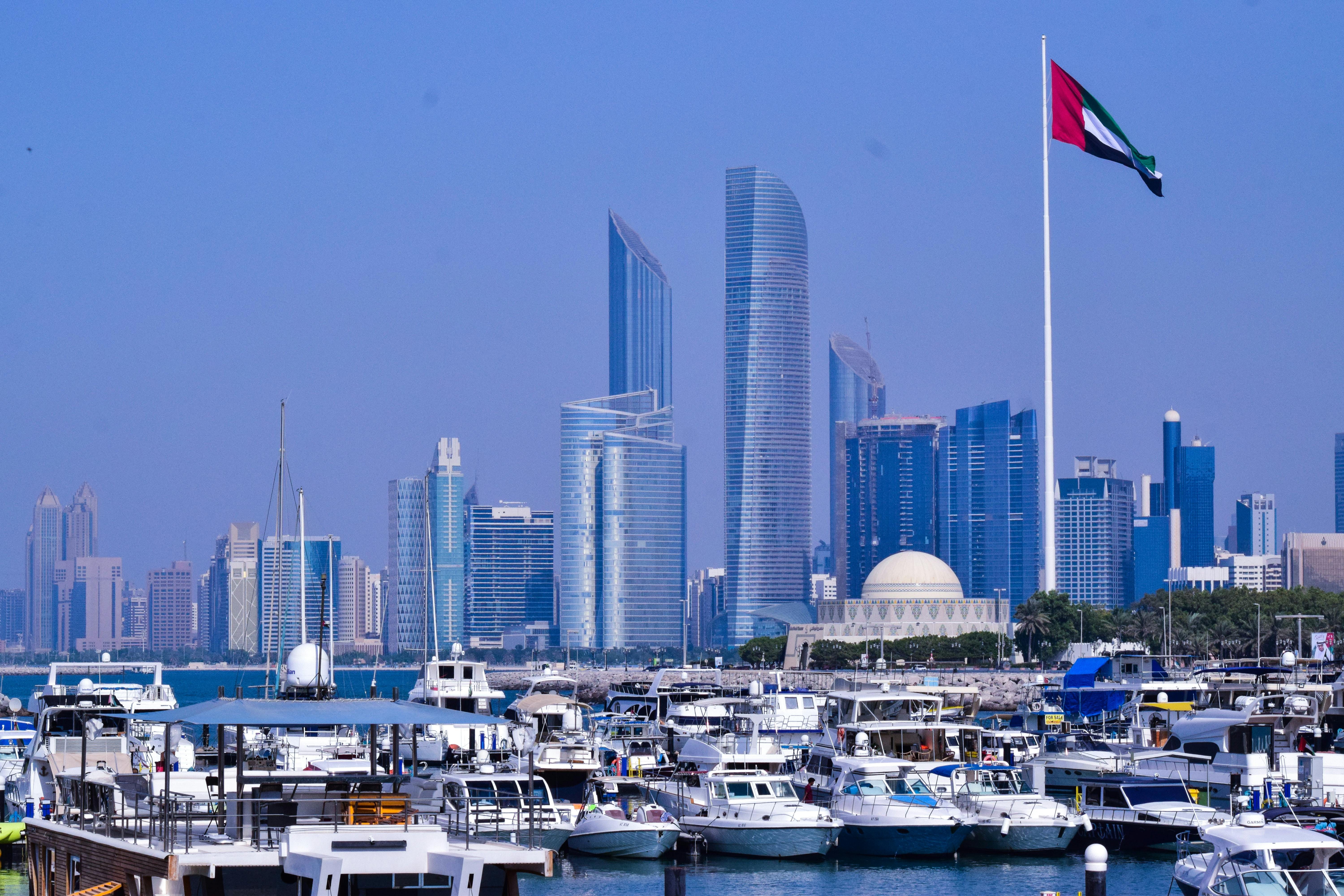
Airports are operating. Schools are reopening their doors. Government institutions maintain their cadence of activity. Major international events remain on the calendar. Companies continue hiring, investing and planning for the future.
This continuity is not accidental. It reflects something the UAE — and much of the Gulf — has spent the past two decades deliberately building: resilience by design.
Infrastructure has been built with stability in mind. Institutions have matured. Economies have diversified. Perhaps most importantly, the region has cultivated leadership cultures that prioritise calm, strategic decision-making during periods of disruption.
In times like these, leadership becomes the defining variable.
Not the loudest voice in the room. Not the most dramatic reaction to unfolding events. But the steady hand that keeps perspective when others feel uncertainty.
From years of working with organisations across technology, cybersecurity, digital infrastructure and enterprise innovation in the region, we’ve come to believe that effective leadership during a crisis comes down to a few defining qualities.
The first is clarity. When uncertainty rises, people instinctively look for guidance. Employees want to understand the organisation’s direction. Partners want reassurance. Clients want to know whether the strategies they have invested in remain on course. Leaders who communicate with honesty and simplicity provide something incredibly valuable in those moments: stability.
The second quality is perspective. The modern information environment moves fast — often faster than the facts themselves. Leaders who react emotionally to every development risk amplifying uncertainty rather than managing it. Those who step back, assess the broader trajectory of markets and maintain a long-term view create confidence in the organisations they lead.
The third quality is consistency. In uncertain environments, the continuation of normal activity becomes a signal in itself. Projects continue. Teams stay focused. Communication remains active.
Business priorities remain intact. These signals send a powerful message: the fundamentals are strong.
And finally, there is confidence — not performative optimism, but grounded belief in the institutions, systems and people around you.
That kind of confidence is something the UAE has cultivated deliberately over many years. The country’s reputation as a global business hub rests on its ability to maintain continuity even when the wider world feels unpredictable. It is why multinational companies base their regional headquarters here. It is why global conferences and industry forums continue to choose Dubai and Abu Dhabi as gathering points for international business communities.
From our vantage point at Active Digital Marketing Communications, these moments also reinforce the importance of communication itself.
In periods of stability, marketing and public relations are often seen primarily as growth tools — building visibility, supporting launches and shaping brand narratives. During periods of uncertainty, their role expands.
Communication becomes reassurance. It keeps organisations connected to employees, customers and partners. It reinforces presence in the markets that matter. It signals that businesses remain engaged and committed to the ecosystems in which they operate.
Silence, on the other hand, creates a vacuum — and vacuums rarely remain empty for long.
Over the years working alongside technology companies, financial institutions, cybersecurity firms and digital infrastructure providers across the Middle East, one pattern has become very clear: the organisations that maintain their voice during uncertain periods are often the ones that emerge stronger afterwards.
They continue contributing insight. They continue participating in industry conversations. They continue demonstrating the value they bring to customers and partners. In short, they continue to lead.
None of this means ignoring reality. Sensitivity and awareness remain essential when events affect communities and people in very real ways. But it also means recognising something equally important: the long-term trajectory of the Middle East’s economic and technological transformation continues.
Governments across the region remain deeply invested in artificial intelligence, cybersecurity, digital infrastructure and innovation-driven economies. Enterprises continue modernising systems and investing in transformation. Financial institutions continue accelerating digital banking and financial services.
These are structural shifts, not short-term trends shaped by a single news cycle.
And this is where the Middle East — and the UAE in particular — demonstrates something quite distinctive: the ability to continue building while navigating complexity.
Entrepreneurs keep launching companies. Governments keep planning ambitious initiatives.
Investors continue backing innovation. The machinery of progress does not simply stop.
For those of us fortunate enough to build businesses here, the responsibility in moments like this is straightforward: remain calm, remain constructive and remain engaged.
Leadership is rarely defined during easy periods. It reveals itself when circumstances become more complex and the path forward requires patience and confidence.
If the history of the UAE and the wider Gulf tells us anything, it is that resilience, pragmatism and long-term thinking are deeply embedded characteristics of this region.
That gives us — and many others who have built our professional lives here — considerable confidence about the future.
Not because challenges do not exist. But because the foundations are strong, the leadership is experienced, and the instinct of this region has always been to move forward.
