
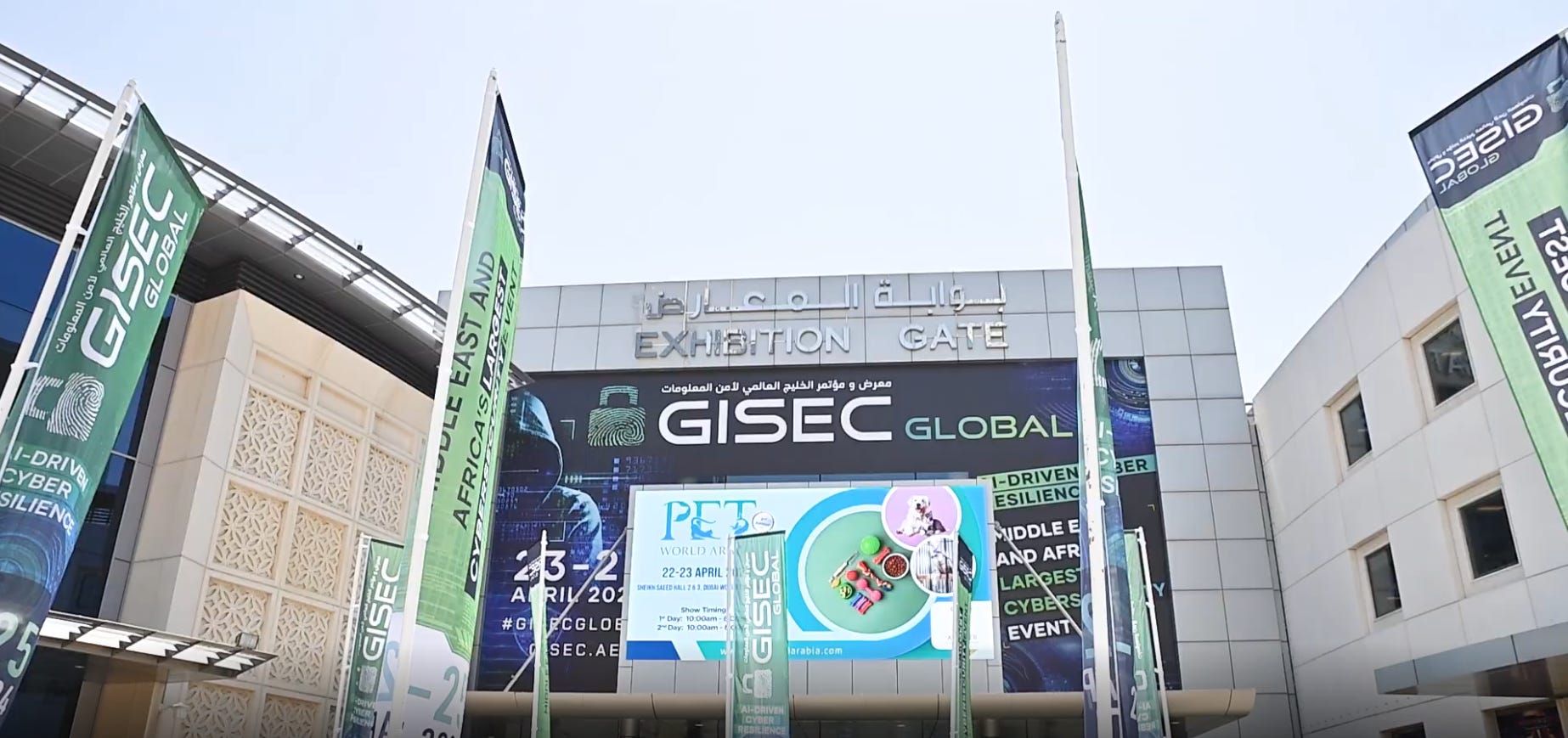
The Middle East technology sector has long operated on a predictable rhythm. The calendar was anchored by massive regional summits, exhibitions, and conferences.
For marketing and communications teams, the strategy was clear: build momentum, save the biggest news for the keynote, announce at the event, and ride the resulting wave of media coverage and industry buzz.
But what happens when the wave is delayed?
Due to the present challenging situation across the region, we are witnessing a significant disruption in the tech comms landscape. Key industry events are being pushed back. Schedules are sliding into the summer, deep into the winter months, and in some cases, crossing over into 2027.
This shifting calendar is forcing a fundamental rethink of how brands maintain visibility, authority, and engagement in a volatile market.
The End of the “Announce At” Era
For years, the “announce at” model served as a crutch. It provided a guaranteed audience, a concentrated media presence, and a clear deadline for product launches and strategic partnerships. However, relying solely on event peaks creates a vulnerability. When an event is postponed, a brand that lacks a robust, always-on communications strategy risks going entirely dark.
In the current climate, brands cannot afford to wait for a stage to build their narrative.
The narrative must be built regardless of the event timing.
Without those traditional event peaks, consistent visibility elsewhere becomes absolutely critical. This is the moment where media relations, thought leadership, and owned content transition from supporting tactics to the core pillars of a brand’s presence.
The Shift to Always-On Visibility
To navigate this disruption, tech brands must pivot their strategies to ensure they remain front and centre, even when the exhibition halls are empty.
1. Elevating Media Relations When you cannot rely on a press conference at a major summit, proactive media relations become vital. This means cultivating deeper, ongoing relationships with key journalists and analysts. It involves pitching nuanced, trend-driven stories rather than just product announcements. Brands must become reliable sources of insight on how broader regional challenges are impacting the tech landscape.
2. Doubling Down on Thought Leadership In times of uncertainty, the market looks for guidance and stability. Executives must step up as thought leaders, offering clear perspectives on industry shifts, technological resilience, and strategic adaptation. This is the time for high-quality op-eds, insightful LinkedIn commentary, and deep-dive whitepapers that address the real concerns of the market.
3. Maximising Owned Content Brands must take control of their own platforms. A robust owned content strategy—encompassing blogs, newsletters, podcasts, and webinars—ensures that a company can communicate directly with its audience on its own terms. When external stages are unavailable, your owned channels must become the primary destination for your narrative.
The Mandate for PR Teams: Strategic Partners, Not Executors
This shifting landscape also redefines the role of the communications agency.
Right now, clients do not just need delivery; they need guidance. They need agencies that can look at a disrupted calendar and immediately architect a pivot strategy.
In times of uncertainty, PR teams must act as strategic partners, not merely executors.
It is no longer enough to simply draft the press release and manage the media list.
Agencies must advise on how to maintain momentum, how to reallocate budgets from delayed events into high-impact digital campaigns, and how to keep the brand narrative compelling when the traditional milestones are missing.
The brands that will emerge strongest from this period of recalibration are those that understand visibility is not an event—it is a continuous commitment. By embracing media relations, thought leadership, and owned content, tech companies in the
Middle East can ensure their narrative remains powerful, regardless of what the calendar dictates.

